Physical Address
304 North Cardinal St.
Dorchester Center, MA 02124
Physical Address
304 North Cardinal St.
Dorchester Center, MA 02124

war • strategy • geopolitics
war • strategy • geopolitics
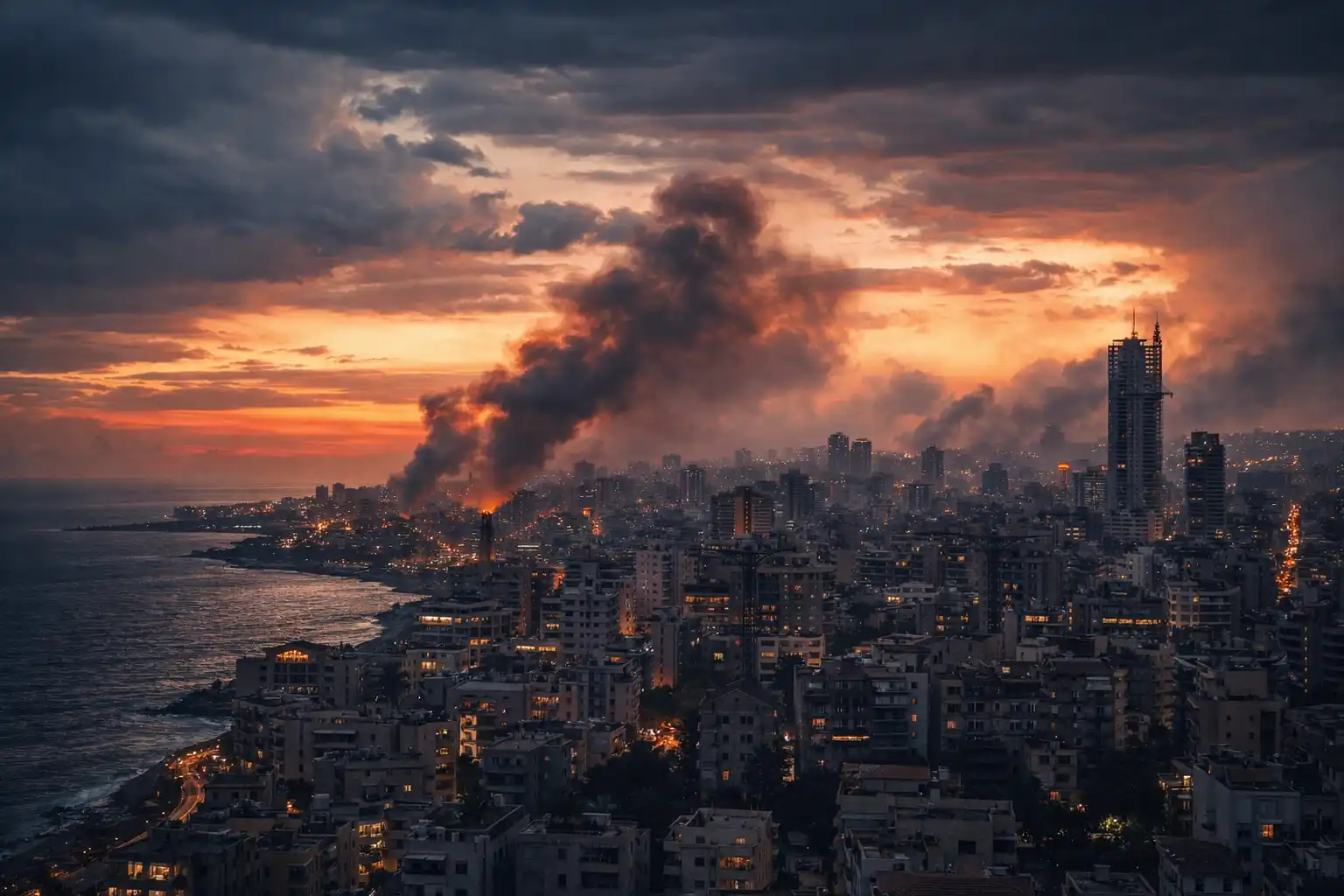
BEIRUT — The Hezbollah Israel conflict has reached a critical tipping point, dragging Lebanon into a regional crisis that many political leaders insist is not their war. Despite a direct ban from the Lebanese government, Hezbollah continues to launch strikes, triggering massive Israeli retaliatory operations across southern Lebanon and Beirut.
As tensions between Israel, Iran, and their regional proxies surge, Lebanon faces an existential threat: can the state regain control, or will it be consumed by a wider war?
Lebanon’s administration recently issued a landmark statement rejecting Hezbollah’s independent military operations. Officials demanded that the group surrender its arsenal to the national army, asserting that decisions of war and peace must belong solely to the state.
However, Hezbollah has ignored the Hezbollah Israel conflict restrictions. The group justifies its actions as a “resistance campaign,” recently launching rockets toward northern Israel following joint U.S.-Israeli strikes on Iranian leadership.
Israel’s military response has been swift and devastating. Airstrikes targeting infrastructure in Beirut and southern Lebanon have crippled electricity facilities, while evacuation orders south of the Litani River have forced thousands to flee.
This escalation follows previous Israel Night Operations in the region.
The escalation of the Hezbollah Israel conflict has triggered a severe humanitarian emergency:
Analysts suggest that after the heavy losses of 2023–2024, including the death of leader Hassan Nasrallah, Hezbollah’s military backbone has been fractured. Israeli intelligence penetration has caused extensive damage to their command structure.
Despite these setbacks, the group maintains dangerous residual power in the Hezbollah Israel conflict:
Prime Minister Nawaf Salam and President Joseph Aoun face a daunting task. While they insist on state-controlled force, the Lebanese army lacks the equipment to disarm Hezbollah by force without risking a catastrophic civil war.
For many, the government’s demands remain symbolic as Lebanon remains deeply divided along sectarian and political lines.
The Hezbollah Israel conflict adds a new layer of suffering to a nation already reeling from economic collapse and political instability. Without a diplomatic breakthrough, the risk of Lebanon transforming into a permanent battlefield remains dangerously high.

[…] The expanding Israel Lebanon conflict mass evacuations are creating widespread displacement. Thousands of families have already moved toward safer regions like Tripoli or the Bekaa Valley. Others remain stranded in cities without adequate shelters or medical supplies. Furthermore, many Lebanese citizens are still recovering from previous economic shocks. As a result, this new wave of displacement is placing enormous pressure on already fragile communities. For additional background on the broader regional escalation, see our analysis of the Hezbollah-Israel conflict and Lebanon escalation. […]