Physical Address
304 North Cardinal St.
Dorchester Center, MA 02124
Physical Address
304 North Cardinal St.
Dorchester Center, MA 02124

war • strategy • geopolitics
war • strategy • geopolitics
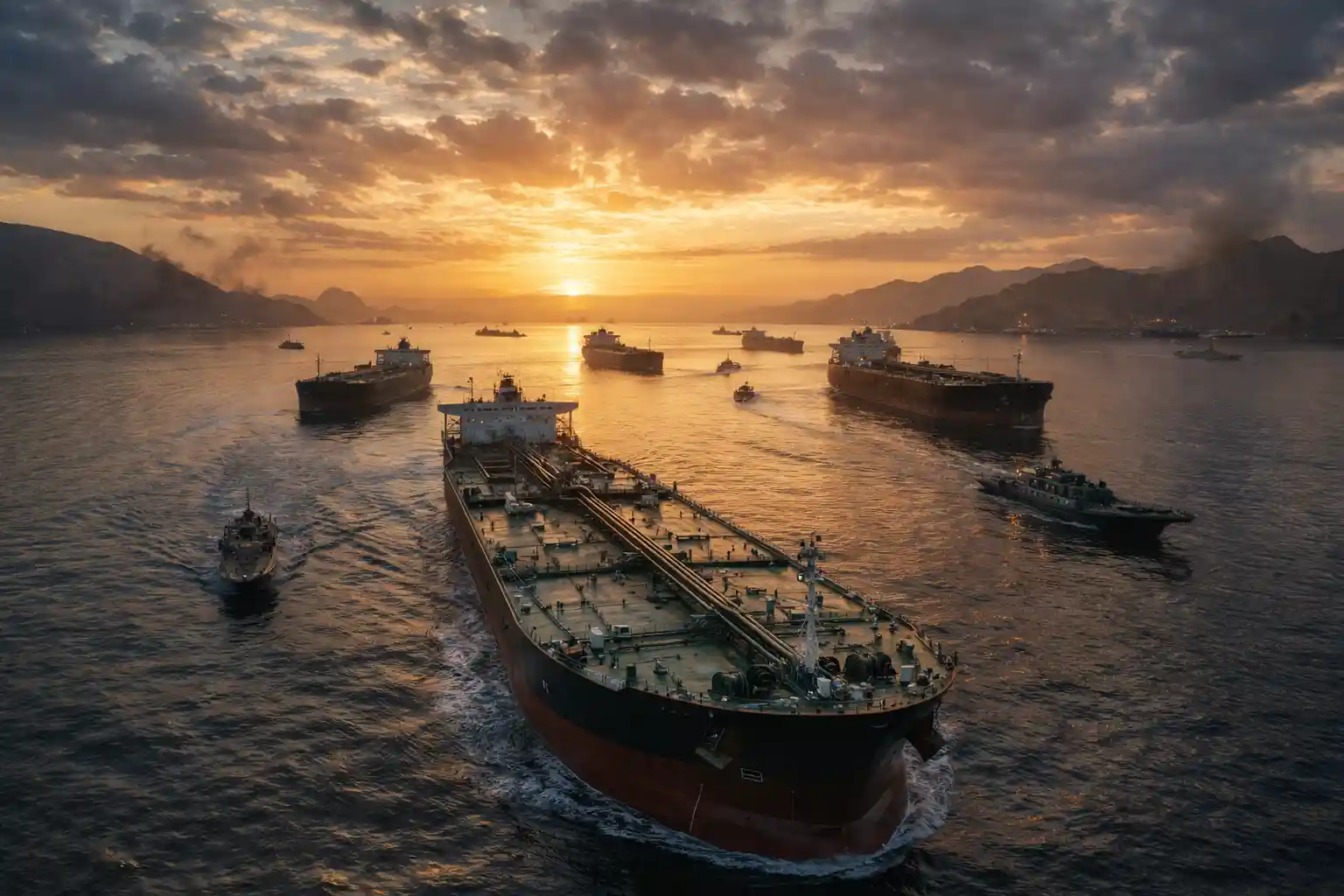
The Iran energy retaliation has officially triggered a massive shockwave across global markets. Following recent escalations in the Middle East, Tehran has shifted its focus toward the world’s most sensitive economic sector. Specifically, Iranian forces have targeted critical oil and gas infrastructure throughout the Gulf region. These actions have led to an immediate spike in crude prices and a logistical nightmare for international shipping.
At the heart of this crisis is the Strait of Hormuz. This narrow waterway serves as a vital artery for approximately 20% of the world’s daily oil and liquefied natural gas (LNG) supply. Consequently, any disruption here has instantaneous global effects. Traders and economists now fear that a prolonged Iran energy retaliation could lead to a permanent shift in energy costs.
This development adds a dangerous economic layer to the existing military friction. As regional tensions rise, the risk of a full-scale energy war becomes more probable. For a deeper understanding of how this fits into the broader military landscape, see our report on the Iran retaliatory attacks on Israel and war expansion.
The Strait of Hormuz connects major Gulf energy exporters to the global economy. Nations such as Saudi Arabia, the UAE, and Qatar rely on this route for nearly all their maritime trade. However, as part of the Iran energy retaliation strategy, Iranian officials have threatened to close the strait entirely. Military leaders claim that any vessel attempting to cross without authorization may face seizure or kinetic strikes.
Such a scenario poses an existential threat to energy-dependent economies. East Asian powerhouses, including China and India, are particularly vulnerable. China currently purchases over 80% of Iran’s total oil exports. Therefore, a complete closure of the shipping lane would destabilize both regional supply chains and global financial markets.
In response, Washington has signaled that it may deploy naval escorts for commercial tankers. U.S. officials argue that military protection is now a necessity for global commerce. This strategic shift is part of the broader US-Iran military conflict and Washington’s 2026 strategy. Nevertheless, insurance companies have already categorized the route as high-risk, causing premiums to skyrocket.
Beyond maritime disruptions, the Iran energy retaliation has physically damaged key processing facilities. Drone swarms recently targeted the Ras Tanura refinery in Saudi Arabia, which is the kingdom’s largest processing site. Simultaneously, attacks on Qatar’s Ras Laffan complex have significantly hindered global LNG production. These strikes demonstrate a high level of tactical coordination and precision.
Explosions have also been reported at Iran’s own Kharg Island terminal. While Tehran blames external sabotage, the result is a massive reduction in available crude exports. Additionally, major energy firms have suspended operations at Israel’s Leviathan gas field. These security concerns have effectively frozen new investments in Middle Eastern energy projects for the foreseeable future.
The widening scope of these attacks reflects the expanding nature of the regional crisis. As hostilities grow, the humanitarian impact is becoming impossible to ignore. For more on the human cost, read about the Israel-Lebanon conflict and mass evacuations. Every drone strike on a refinery further complicates the path toward a diplomatic resolution.
Global energy markets reacted to the Iran energy retaliation with extreme volatility. Brent crude, the international benchmark, surged past $83 per barrel within hours of the initial reports. Moreover, LNG prices in Europe have spiked by as much as 50%. Analysts at major banks warn that oil could easily surpass the $100 mark if the Strait remains contested.
Higher energy costs inevitably lead to a ripple effect across all industries. Transportation, manufacturing, and food production are the first to feel the pressure. For example, every $10 increase in oil prices typically adds 25 cents to the price of gasoline in the United States. Consequently, the Iran energy retaliation is essentially a tax on the global consumer.
Shipping costs are also doubling as companies seek alternative routes. Chartering a supertanker for the Middle East to Asia route now costs upwards of $400,000 per day. These logistical hurdles are contributing to a general increase in the cost of living worldwide. This economic pressure is a central theme in current US-Iran military conflict legal strategies.
Economists are now sounding the alarm over renewed inflationary pressures. The Iran energy retaliation threatens to undo years of progress in stabilizing global prices. If fuel costs remain high, central banks may be forced to halt planned interest rate cuts. In some extreme cases, policymakers are even discussing further rate hikes to combat energy-driven inflation.
However, raising interest rates during a geopolitical crisis is a risky maneuver. It can lead to slowed economic growth and reduced corporate investment. Europe is particularly exposed to these risks because it still lacks a fully diversified energy portfolio. Meanwhile, Asian markets are facing immediate supply shocks that could lead to factory shutdowns.
The political fallout from these economic shifts is already visible. Citizens in many nations are demanding that their governments find a way to lower energy costs. This public pressure is forcing leaders to reconsider their stances on the Hezbollah-Israel conflict and Lebanon escalation. Without a stable energy market, political stability remains fragile.
If the Iran energy retaliation persists, it could permanently alter global trade patterns. Nations that previously relied on Gulf oil are now looking toward the United States, Brazil, and Guyana for supply. Furthermore, Western governments are likely to accelerate their transition toward renewable energy to mitigate Middle Eastern volatility.
Tehran, on the other hand, may deepen its energy ties with non-Western powers. This shift would create a more bifurcated global energy market. In this new environment, energy security will be defined by military alliances rather than just market demand. Every country must now calculate the risks of their energy dependencies more carefully.
As the situation evolves, Narakanet News will continue to provide real-time updates. The future of global energy stability now hinges on the next steps taken by Tehran, Tel Aviv, and Washington. For a look at the tactical ground operations occurring alongside these energy strikes, read our analysis of Israeli elite paratroopers night missions.
In summary, the Iran energy retaliation has exposed the extreme fragility of the global economy. By targeting the Strait of Hormuz and Gulf infrastructure, Tehran has found a way to project power far beyond its borders. The resulting surge in oil prices and shipping costs is felt by every household across the globe.
Ultimately, the resolution of this crisis depends on whether diplomacy can override the current military momentum. As long as the Iran energy retaliation remains a primary tool of Tehran’s strategy, the world will remain on the brink of an economic recession. We will remain committed to bringing you the most accurate and timely analysis as this 2026 crisis unfolds.



[…] to their lowest levels in a decade. This maritime dominance is crucial for preventing further Iran energy retaliation and oil price surges in the Strait of Hormuz. Without its naval fleet, Tehran lacks the tools to enforce a blockade on global energy […]