Physical Address
304 North Cardinal St.
Dorchester Center, MA 02124
Physical Address
304 North Cardinal St.
Dorchester Center, MA 02124

war • strategy • geopolitics
war • strategy • geopolitics
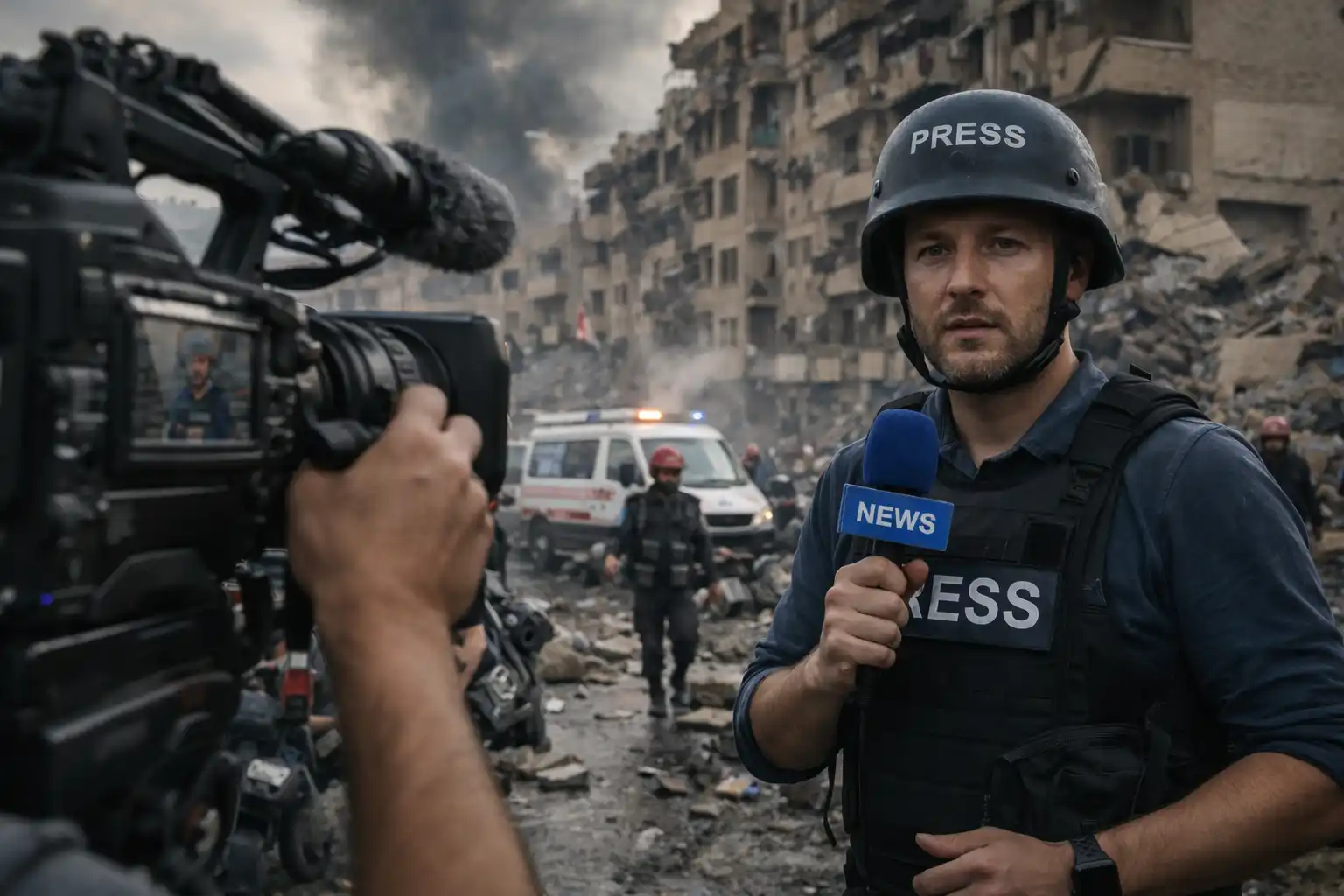
The Israel Lebanon conflict has entered a devastating new phase as forced evacuation warnings spread across southern Beirut and southern Lebanon. Thousands of civilians are currently fleeing their homes in a mass displacement that observers fear will lead to wider regional instability. As military operations intensify, the humanitarian toll continues to rise, placing unprecedented pressure on an already fragile Lebanese state.
Security analysts suggest that the current scale of displacement appears significantly larger than previous border clashes. Consequently, the latest military maneuvers could permanently reshape the strategic balance across the Middle East. These developments are unfolding alongside the broader US-Iran military conflict, creating a complex web of security challenges for global policymakers.
Forced evacuation orders in southern Beirut represent a major turning point in the Israel Lebanon conflict. According to regional monitors, residents are abandoning entire neighborhoods as bombardments increase near densely populated civilian areas. Nicholas No, editor-in-chief of MidEastWire, notes that while displacement is a recurring theme in Lebanon, the current intensity suggests a much deeper phase of confrontation.
Historically, Lebanon has endured multiple Israeli military incursions over the past four decades. Analysts often describe the present escalation as potentially the fourth major invasion into Lebanese territory. The most harrowing historical parallel is the 1982 Lebanon War, where forces advanced to Beirut and maintained a months-long siege. Today, many Lebanese citizens fear a repeat of that catastrophic chapter, which left deep scars on the nation’s social fabric.
This escalation is occurring simultaneously with other regional flashpoints. For instance, the Hezbollah Israel conflict has seen a dramatic increase in cross-border missile exchanges. Therefore, the Israel Lebanon conflict is no longer a localized issue but a central component of a larger regional war.
The humanitarian situation in Lebanon remains extremely dire. Even before the current Israel Lebanon conflict intensified, the country was grappling with a severe financial collapse. Lebanon’s weakened state institutions now lack the necessary resources to support hundreds of thousands of newly displaced civilians. Emergency shelters and medical networks are already at a breaking point.
Moreover, the country’s political landscape is deeply fragmented along sectarian lines. This division complicates national decision-making during such an acute crisis. Some observers believe that military escalation could further exacerbate these internal fractures. Forced evacuations may place immense pressure on host communities that are already facing extreme economic hardship.
Consequently, the Israel Lebanon conflict now risks triggering a humanitarian disaster that could destabilize the entire Mediterranean region. Analysts warn that if the state fails to provide for its people, the vacuum could be filled by non-state actors. This dynamic is similar to the Kurdish militias involvement discussed in other regional theaters, where local groups gain influence during central government failures.
Military experts emphasize that deeper incursions into Lebanon carry significant strategic risks. Previous operations, such as the two-decade occupation of southern Lebanon that ended in 2000, often produced unintended consequences. Specifically, long-term occupations have historically strengthened the capabilities of armed resistance groups rather than eliminating them.
As the Israel Lebanon conflict escalates, Israeli forces have reportedly pushed several miles into Lebanese territory. However, ground operations in Lebanon are notoriously complex due to the mountainous terrain and dense urban environments. These factors create serious operational challenges for even the most advanced militaries. You can learn more about how elite units navigate these environments in our report on Israeli paratroopers’ night missions.
Furthermore, a prolonged ground war often leads to increased international scrutiny. If civilian casualties continue to mount, global diplomatic pressure on the combatants will likely intensify. Therefore, the current military trajectory may produce long-term strategic consequences that outweigh any short-term tactical gains on the battlefield.
Another major concern involves the potential for rising sectarian tensions within Lebanon. Analysts suggest that the Israel Lebanon conflict may deepen existing political animosities. History shows how quickly internal disputes can escalate; the Lebanese Civil War (1975–1990) serves as a grim reminder of how fragile national unity can be.
If internal divisions expand, the Lebanese state could face a total collapse of authority. A fragmented political system would make crisis management impossible and could lead to a multi-sided conflict. Furthermore, some experts argue that such destabilization would shift the burden of refugees to Europe and neighboring Arab countries.
This internal volatility is part of a broader shift in the region. The Trump Iran leadership transition has also introduced new variables into the regional security equation. Consequently, Lebanese leaders are finding it increasingly difficult to navigate the competing demands of international powers and domestic sectarian interests.
The Israel Lebanon conflict now stands at a critical juncture. Mass evacuations and relentless military operations have created a volatile environment that threatens to engulf the entire Middle East. Lebanon faces immense pressure as its economy falters and its people flee. Meanwhile, regional analysts warn that military actions rarely remain confined within national borders.
Ultimately, a sustainable diplomatic solution may be the only way to prevent a total regional war. Without immediate de-escalation, the political and security costs will continue to grow exponentially. This conflict is inherently linked to the US-Iran military conflict legal dilemmas currently being debated in Washington.
For now, the situation in Beirut remains fluid and dangerous. However, the international community’s response in the coming weeks will determine whether the Israel Lebanon conflict moves toward a ceasefire or descends into a prolonged regional catastrophe.